

Tips For Packing Appliances When Moving Interstate
Moving
Storage
Get Your Free Quote
"*" indicates required fields
"*" indicates required fields
Moving interstate can be both exciting and overwhelming, especially when it comes to your appliances. From that high-end espresso machine in the kitchen to your hair dryer in the bathroom, each device requires special care to avoid damage during transit. Whether you’re moving to another state for work, family, or simply a change of scenery, packing appliances when moving interstate properly can save you money, time, and a serious headache. And Columbine Moving & Storage CO is here to guide you on packing up appliances from your kitchen, bathroom, and other parts of your home. We’ll also share tips on wrapping appliances securely, and give you a breakdown of how to prep them for various types of storage—like portable containers, climate-controlled units, and long-term warehouse spaces.
Why Proper Packing Appliances Matters
Appliances are some of the most expensive items in your home. Unlike books or clothes, these machines often contain delicate internal parts, wiring, and sometimes liquids that can leak during a move. Improperly packed appliances can lead to broken parts, electrical failures, or even hazardous situations like fires or water damage. A busted microwave or broken washer can also leave you scrambling for replacements and repairs in a brand-new state—right when you need comfort and normalcy the most. And to make sure everything is packed properly, hire professional interstate movers and let them provide the supplies and do the packing.
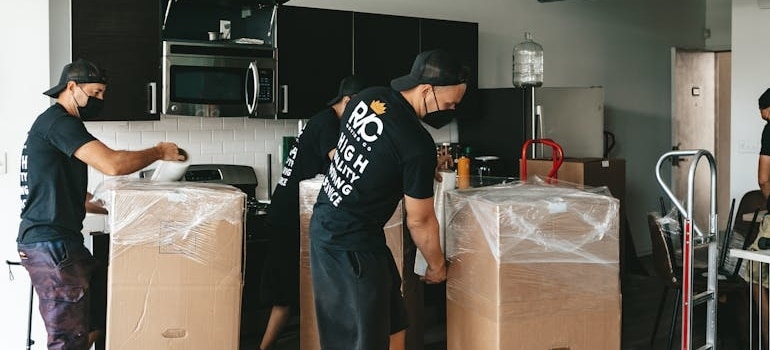
Packing Appliances From the Kitchen
Kitchen appliances are usually the bulkiest—and the trickiest—to handle. They range from large, heavy items like refrigerators to fragile electronics like blenders and air fryers. Following are some time-saving tips for packing kitchen items:
- Refrigerator – Before you start wrapping appliances, unplug your fridge at least 24 hours in advance. This gives it time to defrost, dry out, and prevent mould growth. Then, clean out all food and wipe it down thoroughly. Next, remove and separately wrap the shelves with bubble wrap. Lastly, secure the doors with moving tape or a strong rope—but don’t over-tighten.
- Microwave – Remove the glass turntable and wrap it separately with newspaper and bubble wrap. Use foam padding to protect the inside of the microwave, and secure the cord with a zip tie. Place it in a snug box and fill gaps with packing peanuts to avoid movement.
- Small Appliances (Coffee Maker, Blender, Toaster) – Clean and dry each one. Use original packaging if available. If not, choose a sturdy box, wrap each item in bubble wrap, and stuff soft towels around them for padding. Label each box: “Kitchen – Fragile – This Side Up.”
Avoid packing them with sharp objects like knives or heavy pans, as these can shift during transit and cause damage.
Packing Up Appliances From the Bathroom
Though smaller in size, bathroom appliances still need care.
- Hair Dryers, Straighteners, and Electric Razors – Wipe them clean and make sure they are completely dry. Coil cords neatly and use Velcro straps or zip ties to keep them secure. Wrap in soft cloths or bubble wrap. Put similar items together in one box, preferably padded with towels or washcloths.
- Electric Toothbrushes and Water Flossers – Remove batteries if possible. Drain out any water. Clean and dry all parts before packing.
A padded toiletries bag or small plastic bin works great here. If your move is going to take a few days, keep a travel toothbrush with you.
Other Household Packing Appliances Tips
Beyond the kitchen and bathroom, don’t forget the appliances scattered throughout the rest of your home, like vacuum cleaners, air purifiers, space heaters, and humidifiers. Start by emptying and cleaning out vacuum dust containers or replacing the bags, and detach any removable parts to pack separately. Cover and secure cords, and if items are placed in storage, wrap the base in bubble wrap for added protection. For space heaters and fans, a thorough dusting is essential, and delicate grill areas should be shielded with foam wrap or moving blankets. When it comes to dehumidifiers and humidifiers, always drain all water and let them dry completely before packing to prevent leaks or mold during the move.
How to Wrap Appliances the Right Way
Correctly wrapping appliances is the difference between safe arrival and costly damage. Here’s what wrapping supplies to use and how to do it right:
- Use bubble wrap generously, especially around sharp corners and glass panels.
- Wrap cords separately and secure them with zip ties.
- Cover with moving blankets if the appliance is too big for a box.
- Avoid plastic wrap directly on the surface of stainless steel appliances—it can trap moisture and lead to rust or discoloration.
- Label boxes clearly with the appliance name and arrows indicating the upright direction.
Specialized Storage: Prepping Appliances for Different Options
Sometimes you’re not moving directly into your new home, and you need to store your appliances temporarily. Here’s how to adapt your packing appliance technique for different types of storage.
For portable storage containers, begin by wrapping large appliances in moving blankets, placing heavier items on the bottom, and keeping everything upright and securely fastened to prevent shifting during transit. However, the best solution would be to use the professional portable storage Aspen companies offer and ensure peace of mind, especially when moving the portable storage itself.
If you’re opting for climate-controlled storage, which is ideal for sensitive electronics and appliances like microwaves, hair tools, or coffee machines, use breathable covers instead of plastic wrap to avoid trapping moisture and make sure each item is completely dry to prevent mold. Finally, for warehouse storage, especially for long-term needs, avoid stacking heavy boxes on top of appliances, use pallets to keep them off the ground and away from potential moisture, and cover them with thick cloth or moving blankets to protect against dust and damage.
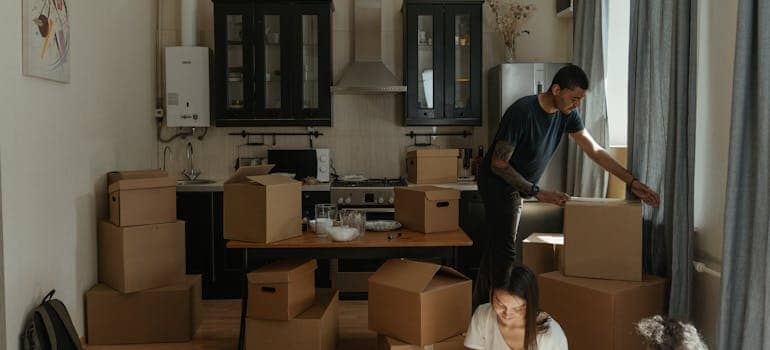
Tips For Moving Day
When the big day arrives, here’s how to ensure your packing appliances strategy pays off:
- Load appliances last so they’re first to unload at your new home.
- Double-check boxes for loose parts or missing cords.
- Keep instruction manuals in a labeled envelope—these can be a lifesaver when reconnecting everything.
Also, take pictures of how wires and hoses were originally connected, especially for things like washers, dryers, and entertainment systems. This will save time and stress during setup.
Unpacking and Reconnecting
Once you arrive, let large appliances sit for 24 hours before plugging them in. This allows internal fluids to settle—especially in refrigerators and freezers. Check for any signs of damage before plugging in. Plug in one appliance at a time to avoid electrical overload. Make sure everything is level and stable before using, particularly for washers and dryers.
Final Thoughts on Packing Appliances
Whether it’s your trusty coffee machine or a high-powered hair dryer, taking the time to prepare and wrap appliances properly pays off. With the right approach, you’ll avoid expensive damage, feel more organized, and have an easier time settling into your new home. From packing up appliances in the kitchen and bathroom to understanding how to store them temporarily, planning the interstate packing is key. Label clearly, cushion generously, and keep things clean and dry. And don’t forget: the better your packing appliances strategy, the smoother your move—no matter how many state lines you cross.


Been working with them for our Moves in Aspen and Vail. Great company and great service.
Louis-Philippe Paquin
