

Storing Different Types of Furniture in Colorado
Moving
Storage
Get Your Free Quote
"*" indicates required fields
"*" indicates required fields
When it comes to storing different types of furniture, the Colorado climate brings both opportunities and challenges. One day, you might be enjoying bluebird skies in Boulder; the next, a surprise snowstorm rolls through Colorado Springs. That unpredictability, along with the dry mountain air, makes proper furniture storage more than just a matter of stacking boxes. Whether you’re downsizing after the kids move out, renovating your mountain getaway, or simply preserving heirlooms through a long winter, the way you store each piece matters. In Colorado, it pays to think smarter. From climate-controlled units in Aspen to portable storage solutions in Steamboat Springs, this guide explores how to protect your furniture investment while aligning with modern trends in interior design, restoration, and flexible living. Because in Colorado, storage isn’t just a necessity—it’s part of the journey. And let Columbine Moving & Storage CO be a part of the journey.
Wooden Furniture and Humidity Concerns in Colorado
Wooden furniture, whether it’s a vintage dining table or a handcrafted bookshelf, is highly sensitive to Colorado’s dry air. Humidity fluctuations can lead to warping, cracking, or swelling. This makes climate-controlled storage a necessity for wood items. If you’re using a portable storage unit with restoration services, make sure it is ventilated and that your furniture is wrapped in breathable fabric, not plastic. Restoration professionals in Colorado recommend waxing wood surfaces before storage to create a moisture barrier. If the wood is antique, consulting with a restoration expert before storing is wise. They often work in tandem with interior designers during renovation projects to ensure safe handling. Given Colorado’s altitude and lack of humidity, furniture can deteriorate faster without proper prep, so don’t skip the conditioning step.
Upholstered Furniture and Climate Control
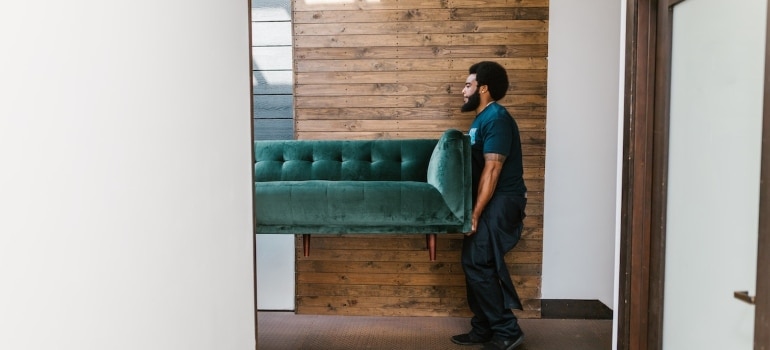
Storing couches, armchairs, and other fabric-based furniture in Colorado brings its own set of issues. Dust mites, moisture, and temperature swings can ruin upholstery. Storing different types of furniture like fabric sofas in non-climate-controlled garages or sheds is risky, even in Denver’s moderate seasons. Consider climate controlled storage in Aspen CO, where your furniture is kept at stable temperatures year-round. If you’re using a moving shuttle, wrap your pieces in cotton covers and avoid shrink-wrap directly on the fabric. Interior designers often suggest professional fabric cleaning before and after storage to reduce allergens and odors. For high-end fabrics like velvet or silk, consult with a specialist to avoid permanent damage.
Metal and Industrial Furniture: Rust and Finish Preservation
Colorado’s weather is generally dry, but metal furniture isn’t safe from rust and corrosion, especially during sudden snow or monsoon seasons. Garden chairs, steel bedframes, and aluminum pieces must be fully dry before storage. A layer of protective wax or oil on the metal can act as a safeguard. For short-term needs, portable storage in Edwards offers quick solutions, especially during seasonal changes. If you’re keeping your metal furniture stored during an extensive restoration or redesign, remember that moving shuttles often experience temperature shifts. Be cautious and consider using insulating blankets. For powder-coated pieces or painted finishes, avoid stacking items. One scratch can turn into a rust patch quickly. Storing different types of furniture, including metal, demands as much care as wood or fabric to prevent oxidation and surface damage.
Glass and Fragile Surfaces in Interior Design Projects
Storing glass-topped tables, mirrored wardrobes, or decorative items requires strategy. These pieces are integral to many modern interior design schemes but are extremely fragile. Always disassemble furniture with glass components. Wrap the glass separately using bubble wrap and corner protectors. You can then slide them vertically into storage crates or between soft furniture in a climate-controlled storage unit. Colorado’s roads can be unpredictable, so if you’re using a moving shuttle for relocation or renovation, ensure the pieces are tied securely and cushioned. Restoration professionals often suggest labeling each glass component for easy reassembly, especially during large home makeovers. Glass scratches easily—using paper or plastic directly on it can cause fine abrasions. Instead, use padded blankets and soft cloth. Whether you’re redesigning a room or downsizing, storing different types of furniture with glass elements requires a plan and a steady hand.
Leather Furniture and Preservation in Dry Air
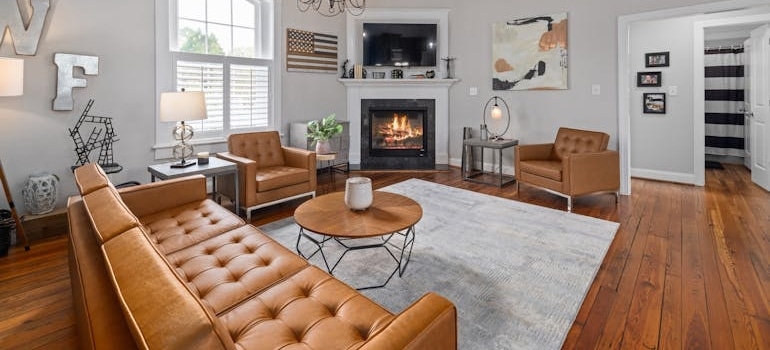
Leather couches, chairs, and ottomans are luxurious but delicate. Colorado’s arid climate can cause them to crack and fade if stored improperly. Before placing your leather items in storage, clean and condition them using a pH-balanced leather cream. During renovations, leather items are often exposed to dust and paint fumes, so even a portable storage pod in your driveway should be sealed well and ventilated. Avoid stacking heavy objects on top of leather, as indentations can become permanent over time. When storing various types of furniture like leather, position each piece with enough breathing space and never use plastic covers. Interior designers often build room mock-ups during projects and request that leather items be stored safely off-site until the redesign is complete.
Mattresses and Bed Frames in Temporary Storage
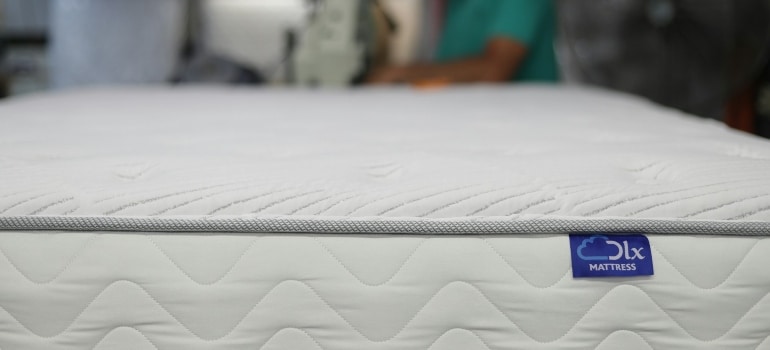
Storing mattresses seems straightforward, but many people make mistakes. Never store them flat on the ground—it encourages mold and dust accumulation. In Colorado’s dry but dusty environment, upright storage with a mattress bag and cardboard backing is ideal. For bed frames, disassemble them and wrap the individual components. Use padded wrapping on ornate headboards or footboards. If you’re using a portable storage container, place the mattress against a wall and secure it with straps. Avoid bending it around corners or doors. Interior designers often ask clients to temporarily remove bedroom furniture during staging or remodeling—especially when staging in homes in Aspen. During such projects, a moving shuttle can transport your mattress and frames to storage without damage, provided it’s coordinated with your renovation team.
Antique Furniture: Restoration and Professional Help
Antiques require a combination of careful packing, an ideal climate, and sometimes even consultation with a restorer. Whether it’s a Victorian cabinet or a hand-carved rocking chair, antiques need climate-controlled storage with minimal handling. The dry air may seem protective, but drastic temperature changes can still cause cracks, especially in inlaid or composite wood. Restoration specialists recommend stabilizing loose parts before storage and avoiding contact with harsh chemicals or adhesives. When storing different types of furniture, antique or vintage pieces should always be covered with cotton cloth and stored upright or in reinforced crates.
Modular and Office Furniture in Relocation Projects
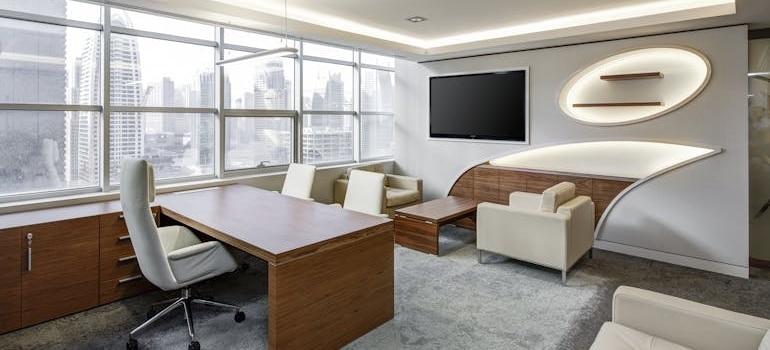
Many Coloradoans are relocating for tech jobs or downsizing office spaces. Modular furniture like desks, bookshelves, and conference tables often ends up in storage during these transitions. Disassemble what you can and keep all fasteners in labeled bags. Modular pieces are best stored in climate-controlled storage, especially if they’re made from particleboard or have plastic components. Office chairs with mesh or lumbar support should be cleaned and wrapped with soft materials to prevent fabric deformation. Use a moving shuttle to load your pieces in stages—starting with the largest items and working down to the smallest. During interior design overhauls in home offices or shared workspaces, professionals recommend staggered storage, rotating items in and out as needed. Storing different types of furniture used for work requires planning so that functionality is preserved when you retrieve it.
Children’s Furniture and Safety During Storage
Storing cribs, bunk beds, toy chests, and baby-changing stations involves more than just saving space. These pieces often have moving parts, soft cushions, and paint that may contain older chemical compositions. When possible, disassemble children’s furniture entirely. Wrap all corners and sharp edges. In Colorado homes undergoing renovation or transition, using portable storage in Gypsym, for example, can keep these items safe from paint, dust, and sawdust. Pediatricians even recommend deep cleaning and inspecting items for wear or mold before storing or reusing them. Since kids’ furniture often includes plastic or hybrid materials, climate-controlled storage is essential to avoid warping. If you’re handing these pieces down or incorporating them into a new interior design theme, coordinate with your team to keep safety a top priority.
Best Practices for Organizing Your Storage Unit
Organizing a storage unit doesn’t just protect your furniture—it saves time, stress, and reduces physical strain. Whether you’re using a moving shuttle, working with an interior designer, or tackling a DIY renovation in Colorado, here are some must-do organization tips:
- Place frequently used items near the front of the unit
- Stack items vertically to maximize space, with heavier items on bottom
- Use shelving units to separate fragile or oddly-shaped furniture
For larger projects involving restoration or home flips in Denver suburbs, consider hiring a storage consultant. These experts help you plot layouts that protect your pieces and make retrieval easy. Storing various types of furniture efficiently depends not just on the storage unit—but how you arrange it.
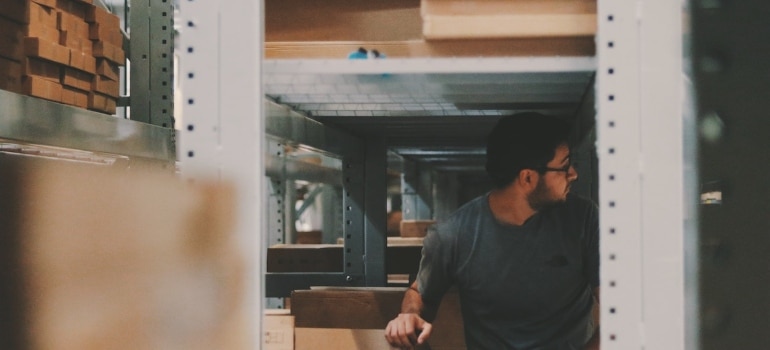
Why Interior Design Projects Often Require Temporary Furniture Storage
Modern renovation and design in Colorado often take place in phases, and furniture needs to be stored temporarily to allow for clean, open workspaces. In areas like El Jebel or Colorado Springs, homeowners increasingly rely on short-term storage solutions during interior design overhauls. Designers may rotate pieces in and out to assess spatial harmony, color palette compatibility, or simply to protect valuable pieces. Therefore, interior designers benefit from professional storage. For example, portable storage units placed on-site offer the convenience of access without cluttering the renovation zone. Meanwhile, climate-controlled storage protects fine finishes, antiques, or textiles. Designers also coordinate with moving services to shuttle pieces between locations. Whether you’re going for a rustic mountain vibe or sleek urban minimalism, storing different types of furniture during the design process keeps your space flexible and your investment protected.
Don’t Forget Insurance When Storing Different Types of Furniture
In Colorado’s unpredictable climate, insuring your furniture while in storage is a smart move, especially when storing high-value or sentimental pieces. Whether you’re using portable storage, a moving shuttle, or a long-term climate-controlled storage unit, accidents can still happen. Fires, floods, or theft may not be common, but when they strike, the damage is often irreversible. Standard homeowners or renters insurance might offer limited coverage for off-site storage, but it’s essential to verify the specifics with your provider. Many storage facilities offer optional insurance plans tailored to the value of your items. Be sure to document each piece, take photos, and keep receipts if possible. When storing different types of furniture—especially antiques, designer items, or heirlooms—consider full-replacement coverage. The peace of mind you gain is worth the extra cost, especially during renovations or relocations when your belongings are at their most vulnerable.

How Often Should You Check Your Furniture in Storage
Checking your furniture in storage every 1 to 3 months is a good rule of thumb, especially when dealing with long-term solutions in Colorado’s variable climate. Regular visits help you spot early signs of damage like mold, pests, or shifting due to temperature changes. If you’re using climate-controlled storage, issues are less likely, but periodic checks still ensure peace of mind. For portable storage units or items stored during a renovation, monthly check-ins are even more important. When storing different types of furniture, frequent monitoring can prevent small problems from turning into expensive repairs or irreversible damage.
Storing Different Types of Furniture the Right Way in Colorado
In a state where natural beauty meets urban innovation, how you store your furniture matters. Whether you’re a homeowner redesigning a space, a renter waiting for move-in day, or a restoration enthusiast, storing different types of furniture safely protects your budget and enhances your space. From portable storage in Steamboat Springs to climate-controlled units in downtown Aspen, Colorado offers a range of smart storage options tailored to its diverse furniture needs. By understanding how each material—wood, metal, glass, fabric, leather—responds to climate, renovation, and handling, you’ll be prepared for any transition. Invest the time to plan your storage strategy right, and your furniture will last for years to come.


Been working with them for our Moves in Aspen and Vail. Great company and great service.
Louis-Philippe Paquin
