

Tips for Relocating Antique Clocks
Moving
Storage
Get Your Free Quote
"*" indicates required fields
"*" indicates required fields
Relocating antique clocks isn’t just another item on your moving checklist; it’s a delicate mission that requires planning, patience, and respect. Whether it’s a regal grandfather clock from your grandparents’ home or a whimsical cuckoo clock you picked up at a vintage market, each one carries history, sentimental value, and incredibly fragile inner workings. Columbine Moving & Storage CO covers essential tips for relocating various types of antique clocks to help ensure they arrive at their destination in perfect condition. From disassembly to wrapping and transport, we’ve got you covered.
Relocating Antique Clocks Like Grandfather Timepieces
Grandfather clocks are tall, elegant, and instantly recognizable—but they’re also surprisingly fragile. Their internal components, like the pendulum and weights, must be treated with care. The first step is to gently open the front panel and remove the pendulum, making sure you hold it from the center to avoid damage. Then, carefully unhook the weights and wrap each part separately in a soft cloth or bubble wrap. The body of the clock, typically made of aged wood, can be sensitive to tape and pressure. Use painter’s tape and thick blankets to cushion the entire piece, especially the corners and the glass door.
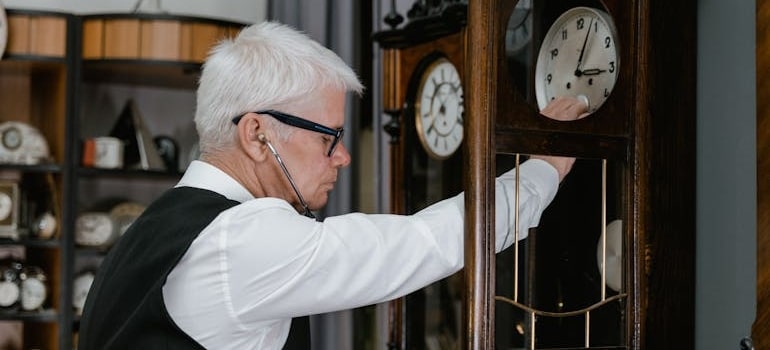
When relocating antique clocks like these, it’s crucial to keep them upright during the move—laying them flat could throw off the internal balance, which may lead to permanent damage. If your clock has a moon dial or chimes, secure those as well to avoid internal jarring. For priceless pieces, consider hiring movers, such as movers in Breckenridge CO who specialize in moving antique clocks and similar heirlooms.
Moving Antique Clocks from Your Mantel
Mantel clocks may be compact, but they’re just as intricate as larger timepieces. These decorative treasures often have finely tuned springs, glass panels, or gilded embellishments that can crack or break with the slightest shake. Before moving antique clocks off your mantel, allow the clock to wind down naturally if it’s mechanical. Avoid forcing anything.
Once it’s no longer ticking, wrap it in layers—starting with acid-free paper to protect the surface, followed by bubble wrap and a padded blanket. Unlike large clocks, mantel clocks can be boxed, but you should never stack anything on top of them. Label the box “FRAGILE – MANTEL CLOCK” to avoid any confusion. For rare or collectible models, climate control matters too. Namely, sudden changes in humidity or heat can damage the mechanism or warp the wood. So, consider using a climate-controlled storage, such as storage units in Breckenridge CO. These smaller clocks are easy to overlook, but they often carry deep personal meaning and historical value. Treat them like the treasures they are.
Tips for Relocating Antique Wall Clocks Safely
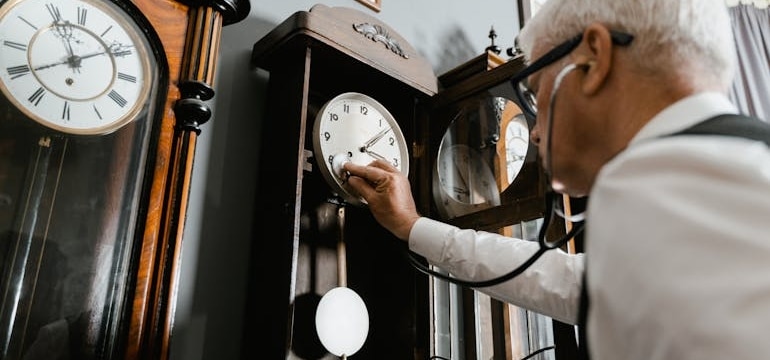
Wall clocks present a different challenge altogether. These are usually mounted with screws, nails, or hooks and can have swinging pendulums, weights, or even chime mechanisms. Once down, remove the pendulum and any hanging weights or chains. If the clock has a key, store it in a labeled bag and tape it securely to the clock’s wrapped body. Wall clocks often have glass doors, so it’s important to pad those thoroughly. Line the inside of the glass with foam or cloth and then wrap the whole clock in a thick moving blanket. When relocating antique clocks, these vertical styles should be transported upright and never laid on their side. If the wall clock is particularly valuable or fragile, it might even be worth building a small custom crate for maximum safety during transit.
Cuckoo Clocks: How to Prepare the Most Delicate Antique Clocks for Moving
Cuckoo clocks may be playful and charming, but their mechanisms are among the most delicate in the clock world. Their carvings, moving figurines, and thin chains are all potential problem zones. To begin, make sure the weights and pendulum are removed. Next, secure the cuckoo bird’s door closed—use painter’s tape gently, and never apply adhesive directly to painted or carved wood. The small moving figures should be cushioned with foam or soft tissue paper, and the chains can be tied gently with string or twist ties to keep them from tangling. Wrap the body in soft cloth first, then use bubble wrap.
Avoid any sharp pressure points on the carvings, as these are prone to snapping. Place the entire wrapped piece in a small box padded with packing peanuts or thick towels. Cuckoo clocks are often handed down through generations, so relocating antique clocks like these deserves particular attention. Every moving part—both mechanical and decorative—needs to be protected to maintain the full charm of the clock.
Moving Antique Bracket Clocks with Care
Bracket clocks are portable by design, but that doesn’t mean they’re easy to move. These clocks are often ornate, with curved handles, delicate dials, and finely lacquered finishes. Despite their size, they’re usually heavy due to brass and solid wood components. When moving antique clocks like these, gloves are recommended to avoid tarnishing the metal or smudging the wood. Always inspect for loose parts before wrapping—sometimes the back panel can be removed, and doing so will help stabilize the inner workings.
Wrap the clock in acid-free paper, secure the handle so it doesn’t swing, and place the entire unit in a well-cushioned box. Never lift bracket clocks by the handle; it’s mostly decorative and not made to support the clock’s full weight. These pieces are a favorite among collectors for their compact elegance and intricate craftsmanship. Give them the same level of care you would a larger, more imposing timepiece.
Carriage Clocks: The Portable Yet Fragile Timepieces
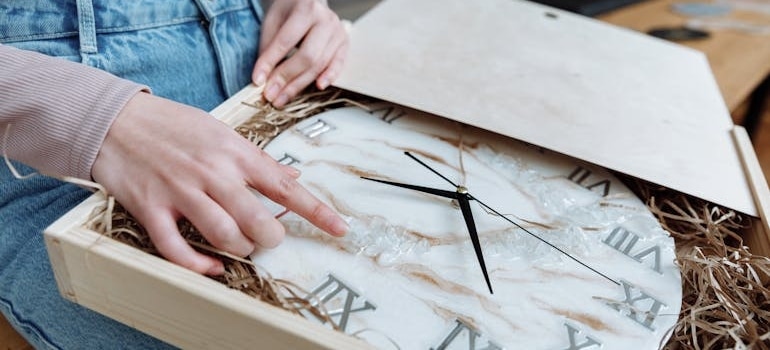
Originally made for travel, carriage clocks are sturdy in theory, but in practice, they’re incredibly vulnerable to scratches and cracks. Their cases are often made of brass, and their sides feature multiple glass panels, making them susceptible to sudden shocks or drops. Start by winding down the clock and making sure it’s stopped. Use a microfiber cloth to wrap the brass casing, followed by bubble wrap to protect the glass.
Place it in a small box filled with soft materials like packing paper or foam. Don’t assume that because they’re small, carriage clocks are easy to pack—they’re actually some of the most breakable. If you’re relocating antique clocks over a long distance or via air freight, carriage clocks should always be hand-carried or placed in a hard case. It’s a small extra effort that could save you from a costly repair or total loss. Don’t forget to use freight damage inspection services when moving carriage clocks.
Essential Packing Tips When Relocating Antique Clocks
No matter which type of clock you’re handling, some general tips will make the process smoother and safer:
- Always disassemble parts like pendulums, chains, and weights
- Use acid-free paper or soft cloths before bubble wrap
- Label each part and pack it with the clock it belongs to
- Transport clocks upright whenever possible
- Avoid exposing them to extreme temperature or humidity changes
- Take photos before disassembly for easier reassembly later
- Label boxes clearly and keep fragile clocks separate from heavier items
These extra steps might take more time, but they’re far better than risking irreplaceable damage. When you’re dealing with one-of-a-kind heirlooms, there’s no such thing as being “too careful.”
Handling Sand Clocks
Sand clocks—also known as hourglasses—may look simple, but they’re surprisingly delicate and sentimental. With their thin glass bulbs and narrow necks, they can break with the slightest impact. Many are housed in ornate wooden or brass frames, making them both fragile and beautiful. When relocating antique clocks like these, it’s important to treat them with extra caution. First, wrap the glass section gently in tissue paper before adding a layer of bubble wrap. If the hourglass is set inside a frame, be sure the frame is padded too, so nothing shifts during the move.
These pieces are often small and symbolic—used in ceremonies, gifted as keepsakes, or passed down through generations, which makes them easy to overlook but heartbreaking to lose. If you’re moving antique clocks and have a sand clock in the mix, pack it last, and unpack it first. It’s a small act of care that can go a long way in keeping this timeless treasure intact.

Storing Antique Clocks
Once you’ve safely transported your antique clocks, proper storage becomes the next essential step, especially if you’re not displaying them right away. Unlike modern clocks, antique timepieces are vulnerable to long-term environmental conditions. To maintain their beauty and function, here are a few key factors to consider when storing antique clocks:
- Climate control matters: Antique clocks—especially those with wooden casings or metal components—respond poorly to humidity and temperature swings. Store them in a climate-controlled environment to prevent warping, mold, rust, or cracking. Avoid basements, attics, or garages unless they’re properly insulated. One of the possible solutions is to use a climate controlled storage in Aspen CO and ensure peace of mind.
- Keep them upright and stable: Never store antique clocks on their sides or upside down. Doing so can shift internal mechanisms and damage delicate parts. Use a flat, level surface that can handle their weight.
- Avoid direct sunlight: Long-term exposure to sunlight can fade clock faces, dry out wood, and discolor painted surfaces. Choose a shaded or dimly lit area for storage.
- Don’t run them in storage: If you’re storing clocks long-term, let them remain inactive. Running them without regular maintenance can lead to internal wear, especially if the oils have dried up.
- Check periodically: Even in storage, clocks need occasional attention. Every few months, inspect them for dust buildup, signs of moisture, or pest activity, and give them a gentle dusting if needed.
Taking the time to store antique clocks properly not only protects their appearance but also ensures they’ll continue to work—and wow—for generations to come.
Don’t Forget to Use Moving Insurance
When you’re dealing with something as irreplaceable as an antique clock, insurance isn’t just a formality—it’s peace of mind. Whether your clock is a family heirloom or a rare collector’s item, the reality is that accidents can happen, even with the best planning. Before relocating antique clocks, it’s worth calling your insurance provider to check if they’re covered under your homeowner’s or renter’s policy, especially during a move or while in storage. Some insurers require an official appraisal for high-value items, so don’t skip that step.
You might also consider specialized coverage for antiques or valuables, which can offer broader protection than standard plans. Think of it this way: you’re not just insuring a clock—you’re safeguarding its history, its sentimental worth, and its future. And if the unexpected does happen, knowing you’re covered takes a huge weight off your shoulders. It’s a small investment for a lot of peace. So, don’t even question whether to use insurance when moving antique pieces.

To Sum Up: Relocating Antique Clocks the Right Way
At the end of the day, relocating antique clocks is about more than moving objects—it’s about preserving stories, artistry, and family memories. Each type of clock, from grand and imposing to dainty and decorative, requires a different approach. Whether you’re moving antique clocks across town or across the country, your goal is the same: get them there safely and keep them ticking for years to come. With the right preparation, a touch of patience, a lot of care, and the right movers, such as Edwards CO movers, for example, you can make sure that your beloved timepieces continue to stand the test of time, no matter where life takes you.
Edited buy Marko from chatgpt/claude


Been working with them for our Moves in Aspen and Vail. Great company and great service.
Louis-Philippe Paquin
