

The Best Way to Pack Wall Art for Moving
Moving
Storage
Get Your Free Quote
"*" indicates required fields
"*" indicates required fields
No matter where you are relocating to, fragile pieces like paintings and framed artwork need proper preparation. The best way to pack wall art for moving is to follow a step-by-step process that ensures protection and safe transport. From gathering essential materials to placing artwork securely in boxes, attention to detail is key. Working with professionals, such as Columbine Moving & Storage, can also simplify the process. Their expertise helps safeguard your valuable pieces throughout the move. Here, we’ll cover everything you need to know to pack wall art efficiently and keep it in perfect condition during your relocation!
Gather The Right Packing Supplies
Start with the basics. You’ll need sturdy boxes, bubble wrap, packing paper, corner protectors, and tape. Make sure the boxes are slightly larger than the artwork to allow for cushioning. For larger pieces, consider using mirror or picture boxes. Don’t forget labels and markers for clear identification. Protective padding is very important. Bubble wrap adds a layer of defense, and packing paper prevents scratches. Corner protectors keep delicate edges safe.
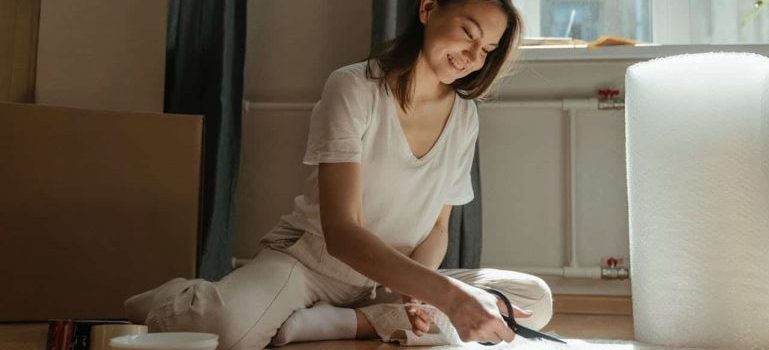
While gathering supplies yourself is possible, it’s always the smartest option to hire local movers in CO. They bring all the necessary materials and ensure your artwork is packed with precision and care. Having these materials on hand before packing saves time and effort, especially with professional help.
The Best Way To Pack Wall Art For Moving Includes Packing Preparation
Before wrapping, clean your wall art. Dust and debris can scratch surfaces during the move. If your artwork has a glass cover, use painter’s tape to create an “X” over the surface. This reduces the risk of shattering and helps hold broken pieces together if the glass breaks. For canvases without frames, consider placing a layer of plastic wrap over the painted surface. This protects against moisture and keeps paint intact. Remove any hanging hardware, such as nails or hooks, to avoid scratches during transport.
Wrapping Your Wall Art Properly
When talking about the best way to pack wall art for moving, we mustn’t skip wrapping. Proper wrapping prevents damage. Start by covering the artwork with packing paper or plastic wrap. This creates a soft base layer. Next, add bubble wrap for impact protection. For pieces with glass, double-wrap the corners to reinforce them. Secure the wrapping with tape, but avoid applying tape directly to the artwork. For framed pieces, use corner protectors to shield vulnerable edges. Canvases should be wrapped in acid-free paper first, as bubble wrap may stick to the paint.
Choosing The Right Box For Packing
Select boxes that match the size of your artwork. Too much extra space can cause shifting, while a tight fit can add pressure. Picture or mirror boxes are ideal for framed art. For smaller pieces, standard moving boxes work well when combined with proper padding. Before placing artwork in the box, add a layer of crumpled paper or packing peanuts at the bottom. This absorbs shocks during the move. Line the sides with bubble wrap or foam sheets for extra security.
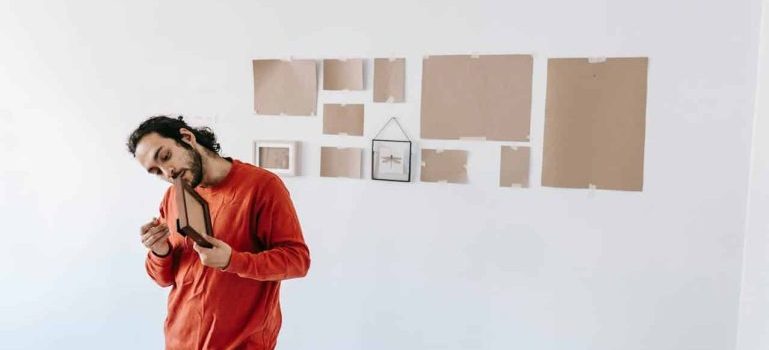
Safely Placing Artwork In Boxes
When placing your wall art in the box, position it upright. Avoid laying it flat, as this increases the risk of pressure damage. Place a layer of cushioning material between each piece if you’re packing multiple items in one box. Fill any gaps with crumpled paper or foam to prevent shifting. Test the box by gently shaking it. If the contents move, add more padding. Once the artwork is secure, seal the box with strong tape.
Labeling And Loading For The Move
Clear labeling is key to keeping your artwork safe. Mark each box with “Fragile” and “This Side Up.” Use arrows to indicate the correct orientation. If possible, include a brief description of the contents, such as “Framed Artwork” or “Canvas Art.” When loading boxes into the moving vehicle, place them upright and avoid stacking heavy items on top. Secure the boxes with straps or bungee cords to keep them from shifting during transit. Handle with care when loading and unloading.
Special Considerations For High-Value Art
High-value or sentimental pieces require extra care. For these, consider custom crates or professional fine art moving services. You may also want to invest in insurance for added peace of mind.
Document the condition of each piece before packing. Take photos from multiple angles to have a record in case of damage. Use acid-free materials for wrapping, as standard packing supplies can cause discoloration over time. If possible, transport valuable pieces in your own vehicle instead of the moving truck.
Placing Your Wall Art Into A Portable Storage
Placing wall art into storage also requires careful preparation to ensure it stays protected. Always use sturdy boxes designed for artwork, and position them upright to avoid unnecessary pressure. Choose a clean, dry storage unit such as portable storage in Edwards to protect against moisture and dust. Avoid stacking heavy items on top of your boxes to prevent crushing. If possible, keep the artwork elevated on shelves or pallets for added safety. Clear labeling as “Fragile” ensures careful handling, making retrieval easier and minimizing risks during storage.
Packing Wall Art For A Move Doesn’t Have To Be Overwhelming!
Packing wall art correctly keeps your pieces safe during the move. The best way to pack wall art for moving involves using proper supplies, careful wrapping, and secure storage. Each step, from choosing the right boxes to labeling and loading, ensures your artwork stays intact. For high-value pieces, extra precautions like custom crates and insurance offer added protection. By following these guidelines, you can move your art without worry. Take the time to pack carefully and avoid unnecessary damage. Your effort guarantees your wall art arrives in perfect condition, ready to enhance your new space.


Been working with them for our Moves in Aspen and Vail. Great company and great service.
Louis-Philippe Paquin
