

Step by Step Instructions in Moving a Baby Grand or Grand Piano
Moving
Storage
Get Your Free Quote
"*" indicates required fields
"*" indicates required fields
Pianos are one of the hardest items in a household to move, considering their size, awkward shape, and bulkiness. It’s always a smart idea to as for the help of a professional moving company in Western Colorado. Successfully moving a grand piano isn’t just about strength—it’s about precision, the right techniques, and protecting your instrument’s integrity every step of the way.
Prep Before You Move the Grand Piano
Before anything else, preparation is crucial for moving a baby grand piano or a full grand. First, measure the piano’s full dimensions—length, width, and height—and also check every doorway, hallway, staircase, and elevator on the path out of the house and into the truck.
Also, it’s essential to measure the truck space to ensure a good fit. Don’t overlook the destination either: make sure the final spot can easily accommodate the piano’s size. If you’re moving a grand piano long distance, double-check all measurements twice, since tight spaces can cause major setbacks later.
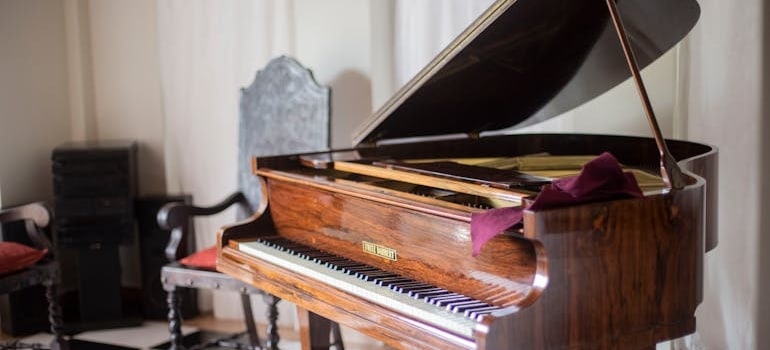
Gather the Right Gear for the Move
You can’t successfully complete relocating a grand piano with just muscle—you’ll need the proper equipment as well. For this job, make sure you have:
- Piano skid board (this is specially designed equipment for pianos)
- Heavy-duty moving straps
- Clean, heavy pads and blankets
- Protective gloves and basic tools like screwdrivers
- Furniture or specialized piano dolly
- Stretch wrap and strong tape
Always rent or purchase professional-grade tools; ordinary moving gear won’t cut it when you’re figuring out how to transport a grand piano safely.
Disassemble and Pad the Piano
Now comes the careful part. Begin by removing the piano lid and pad-wrapping it thoroughly. Next, remove the pedals and lyre, pad-wrapping each piece separately. Take off the music rack and very carefully remove the piano hinges—this step is crucial. If the hinges aren’t removed, they could cause serious damage once the piano is set down onto the piano board. Secure all these loose parts together in a “parts box” or wrap them tightly with stretch film so nothing gets lost. Remember: successful moving a baby grand piano starts with having everything prepped and organized.
Position and Secure on the Piano Board
With two movers supporting the full weight of the piano, have the third person remove the front left leg. Then, gently tilt and lower the piano onto a clean, pad-covered piano board. Once it’s safely positioned, remove the remaining legs and pad-wrap them too. After that, fully wrap the body of the piano in pads and stretch wrap it while it’s on the board. Then, secure it using heavy-duty logistic straps. When moving a grand piano long distance, especially in areas like Eagle, CO where terrain and weather can be tricky, taking extra care with wrapping and strapping is essential to protect against bumps, vibrations, and sudden shifts during transit. In such cases, working with experienced long distance movers Eagle CO locals trust can make the entire relocation process much smoother and safer.

Moving the Piano to the Truck
After securing it tightly to the piano board, carefully roll the piano toward the moving truck. Use plywood sheets or a walkboard if you’re facing gravel, uneven surfaces, or snow. If you have a truck with a lift-gate, use it. Otherwise, brace yourself—pushing a grand piano up a walkboard isn’t easy! Clear and constant communication between your team is vital during this stage. This is especially true when you’re planning how to transport a grand piano through tight areas or slight inclines.
Arrival and Reassembly
Once you arrive at the destination, pad all hallway floors before moving the piano inside. Gently wheel it to its new home. Then, reverse the disassembly process: reattach the legs, lyre, pedals, and lid carefully in a clean, padded area. Be sure to give the piano time to acclimate to the room’s temperature and humidity before tuning. Especially if you’re moving a grand piano long distance, temperature changes can affect the soundboard and strings. Scheduling a professional piano tuning about a week or two after the move will help restore the piano’s perfect pitch and tone.
Final Notes: When to Call the Pros for Moving a Grand Piano
While it is possible to move it yourself with a capable team, there are times when you should absolutely bring in professional movers. Don’t hesitate to call in experts if:
- You’re dealing with a particularly old or valuable instrument
- There are narrow staircases, elevators, or awkward routes involved
- You’re moving a grand piano long distance with multiple stops
- You feel uncertain about any part of the disassembly or reassembly process
A team that specializes in moving a baby grand piano knows exactly how to minimize risks and protect your cherished instrument.
Need to Store Your Piano?
Sometimes, timing during a move doesn’t line up perfectly, and you might need a safe place to store your piano temporarily. In such cases, using climate-controlled storage units in Eagle CO is a smart choice. These specialized units protect your grand piano from temperature swings, humidity, and dust, all of which can seriously damage the instrument over time. Whether you’re moving a grand piano long distance or waiting to settle into your new home, securing proper storage ensures that your piano stays in perfect condition until you’re ready to make music again.
Conclusion: Moving a Grand Piano Takes Skill and Care
In the end, moving a grand piano is an art in itself. It requires careful planning, strong coordination, the right equipment, and a lot of patience. Every step matters when protecting the beauty, sound, and craftsmanship of your instrument. If you’re unsure at any point, remember that many moving companies offer specialized services for transporting a grand piano—it’s worth every penny to ensure your beloved piano makes it safely to its new home, ready for you to “make music” again.


Been working with them for our Moves in Aspen and Vail. Great company and great service.
Louis-Philippe Paquin
